Florida Climate & Moisture Testing
Coastal Humidity vs. Garage Floor Coatings: What Tampa Bay Homeowners Need to Know
Coastal humidity and high water tables can create hidden moisture risks beneath Tampa Bay garage slabs. Learn how ASTM moisture testing and vapor mitigation protect a new coating.
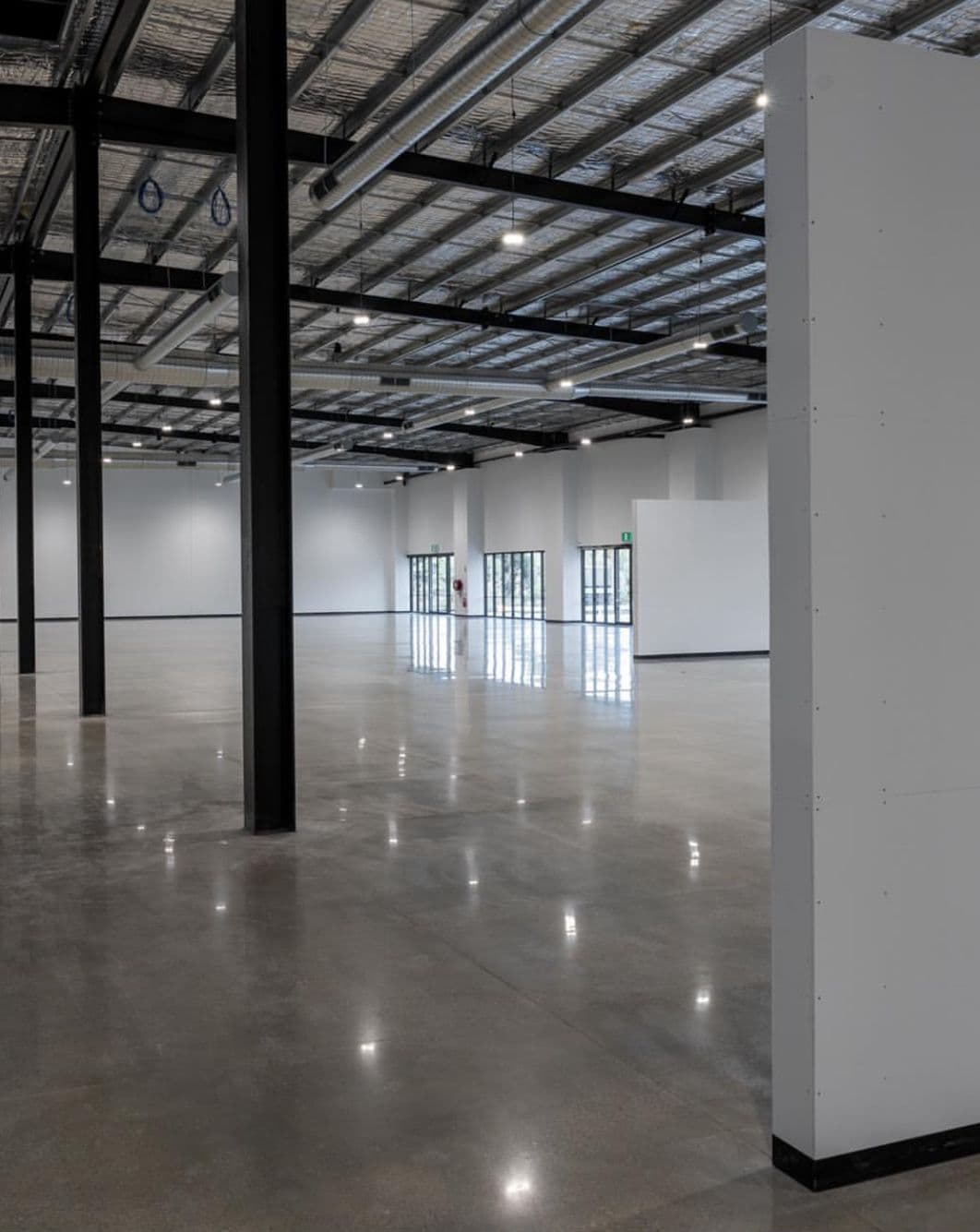
Why Coastal Humidity Matters Under Your Garage Floor
If you own a home in Tampa, St. Petersburg, Clearwater, or one of the surrounding coastal communities, your garage floor sits above a moisture-dense environment. Florida's low elevation, high water tables, seasonal rainfall, and persistent humidity can make concrete moisture a major coating concern.
Before investing in a garage floor restoration or custom coating, the concrete should be evaluated rather than judged by appearance alone. Scientific moisture testing can help identify conditions that may contribute to premature peeling, bubbling, and delamination.
Low-Lying ZIP Codes and High Water Tables
Many Tampa Bay garage slabs are cast on or near sandy, damp, or saturated subgrade. During Florida's rainy season, soil moisture can increase beneath foundations. Along coastal and bay-adjacent areas, groundwater and drainage conditions can add to the upward moisture drive beneath a slab.
Concrete behaves like a porous material. Moisture vapor can move upward through the slab toward the garage interior. If an impermeable epoxy or polyaspartic coating is installed over a damp slab without testing and mitigation, vapor can become trapped at the bond line and contribute to blistering or peeling.
- Clearwater and St. Pete Beach areas: 33706, 33708, 33715, and 33767.
- South Tampa and peninsula areas: 33606, 33611, and 33629.
- Oldsmar, Safety Harbor, and Upper Bay areas: 34677, 34695, and 33635.
- Apollo Beach, Riverview, and South County areas: 33572 and 33569.
What Is Moisture Vapor Transmission?
Moisture Vapor Transmission, or MVT, describes moisture vapor moving through a concrete slab. A floor can look dry on top while moisture remains deeper inside the slab. That is why visual inspection alone cannot confirm that a garage is ready for coating.
When a coating seals the surface, internal moisture may continue moving toward the top layer. If the vapor pressure becomes greater than the coating system's bond strength, the coating may delaminate. Proper testing helps the contractor select preparation and moisture-mitigation steps based on measured conditions.
Scientific Concrete Moisture Testing
Professional contractors should not guess or rely only on dark spots, plastic-sheet tests, or a quick visual check. Two standardized ASTM methods commonly used to evaluate concrete moisture are calcium chloride testing and in-situ relative humidity testing.
- ASTM F1869 calcium chloride testing measures moisture vapor emission at the slab surface over a controlled test period.
- ASTM F2170 in-situ relative humidity testing measures internal moisture conditions deeper in the slab using installed probes.
- The selected coating manufacturer's limits and test requirements should determine whether mitigation is needed before installation.
ASTM F1869: Calcium Chloride Testing
The calcium chloride method measures the moisture vapor emission rate at the concrete surface. A measured amount of anhydrous calcium chloride is placed on prepared concrete under a sealed dome for a controlled period, commonly 60 to 72 hours. The material is then weighed again to calculate moisture emission.
Results are generally reported as pounds of moisture emitted per 1,000 square feet over 24 hours. The acceptable range is not universal; it must be compared with the requirements of the specific coating system and manufacturer.
ASTM F2170: In-Situ Relative Humidity Testing
In-situ relative humidity testing measures internal moisture conditions within the slab. Technicians drill small test holes and install probes at the depth required by the ASTM method. For many conventional slab evaluations, probe placement is based on a percentage of slab thickness.
Because it evaluates moisture deeper inside the concrete, in-situ RH testing can provide useful information about how the slab may behave after the surface is sealed. Test results should be interpreted according to the selected coating manufacturer's limits rather than a one-size-fits-all threshold.
Why Surface-Only Readings Can Mislead in Tampa Bay
During drier winter conditions, a surface test can show lower moisture emission because heat and air movement may dry the top layer quickly. Deeper moisture may still remain inside the slab. Once the surface is sealed, that moisture can move toward the bond line and create a failure risk.
This is why the test method, test locations, environmental conditions, and product requirements all matter. A contractor should explain what was tested and how the results affected the proposed coating system.
Moisture Mitigation for High-Moisture Slabs
A high moisture reading does not automatically mean a garage cannot be coated. It means the installation may require a moisture-mitigation vapor barrier as part of the system foundation. The compatible product, number of coats, and preparation requirements should come from the coating manufacturer.
A common professional approach is to mechanically prepare the concrete, apply a compatible moisture-mitigating epoxy basecoat, broadcast decorative flakes if desired, and seal the surface with a durable polyaspartic topcoat. The complete system must be compatible and installed within its required recoat and cure windows.
- Mechanically diamond-grind the slab to remove contaminants and create a consistent concrete surface profile.
- Apply a compatible moisture-mitigating basecoat when test results and product specifications call for it.
- Use a decorative flake broadcast or other finish appropriate to the project.
- Install a UV- and abrasion-resistant topcoat after the base layers have reached the required recoat condition.
Questions to Ask a Tampa Bay Floor Coating Contractor
Before hiring a coating company, ask specific questions about testing, preparation, moisture mitigation, and warranty coverage. Clear answers help you compare proposals based on long-term performance rather than price alone.
- Do you perform ASTM moisture testing before specifying a coating system?
- How do you prepare the surface: acid etching, shot blasting, or mechanical diamond grinding?
- What happens if the moisture results exceed the product's limits?
- Does the warranty address moisture vapor delamination or hydrostatic pressure, and what exclusions apply?
- Which products will be used for the basecoat, decorative layer, and topcoat?
Protect Your Garage Floor with Moisture Analysis
A beautiful garage floor starts with an accurate understanding of the concrete beneath it. In Tampa Bay's coastal environment, skipping moisture testing or using low-grade materials can lead to premature repairs and reinstallation.
By choosing a contractor who evaluates the slab, follows recognized ASTM testing methods, uses appropriate mechanical preparation, and selects a compatible moisture-mitigation system when needed, you can make a more informed investment in your garage floor.
Concerned about moisture in your garage floor? Contact Tampa Bay Concrete Coatings for a free on-site evaluation and custom quote.
References and Technical Sources
ASTM International, ASTM F2170: Standard Test Method for Determining Relative Humidity in Concrete Floor Slabs Using In-Situ Probes.
ASTM International, ASTM F1869: Standard Test Method for Measuring Moisture Vapor Emission Rate of Concrete Subfloor Using Anhydrous Calcium Chloride.
International Concrete Repair Institute (ICRI), Guideline No. 310.2R: Selecting and Specifying Concrete Surface Preparation for Sealers, Coatings, and Polymer Overlays.
Concrete Construction, technical resources on concrete slab moisture in coastal environments.
Garrett Allen
Owner & Lead InstallerGarrett Allen is the owner and lead installer at Tampa Bay Concrete Coatings. With over 20 years of hands-on experience, he has installed thousands of epoxy, polyaspartic, metallic resin, and polished concrete floors across Tampa, St. Petersburg, Clearwater, and the surrounding Tampa Bay communities.
- 20+ years in concrete coatings and surface preparation
- Specialist in Florida climate challenges: moisture vapor, UV exposure, and hot-tire pickup
- Diamond grinding, moisture testing, and premium system installation
- 15-year written warranty on professional installations
Ready to discuss your project?
Get practical recommendations and a free estimate from Tampa Bay Concrete Coatings.
You May Also Like
Florida Climate & Garage Floors
Why Standard Epoxy Fails in Florida Garages (And How Polyaspartic Solves Hot Tire Pickup)
Tampa Bay Service Areas
Tampa Bay ZIP Code Guide: Garage Floor Coatings, Humidity, and Moisture Testing
Cost & Buying Guides